Where are paddock grids commonly installed?
Typical locations include gateways, feeding areas, tracks, stable approaches, turnout areas and other places exposed to repeated hoof traffic and wet ground.
Quick answer: Horse paddock grids are interlocking HDPE panels that stabilize high-traffic equine ground and confine permeable fill. GS Grid panels are best suited to gateways, feeding areas, dry lots, stable approaches, tracks, arenas and turnout zones. They can reduce rutting, surface displacement and mud when installed over a correctly prepared, well-drained base; the grid does not replace site grading, outlets or subgrade drainage.
Leiyuan manufactures the GS Grid series for equestrian facilities, distributors and project buyers, with OEM support for suitable volume orders. Final base depth, infill, drainage and edge restraint should be confirmed for the local soil, rainfall, traffic and site conditions.
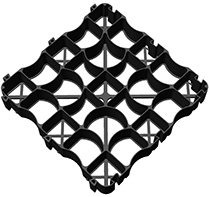
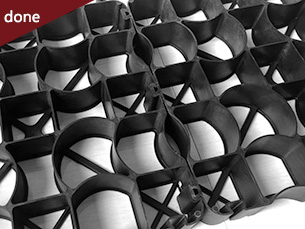
| Series / model | GS Grid; LY950A and LY950B |
|---|---|
| Panel size | 33 × 33 × 5 cm (13 1/8 × 13 1/8 × 2 in) |
| Material | High-quality HDPE |
| Panel weight | 680 g per piece |
| Packing | 9 pieces per bundle |
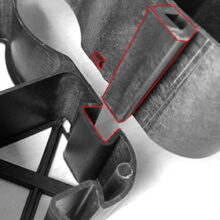
| Connector | Six-direction dovetail locking system |
| Supplier-stated service life | More than 10 years, subject to installation and use |
| Typical project areas | Gateways, feeding zones, dry lots, stable approaches, tracks, round pens and selected arena areas |
Project fit: Use the panels as one component of a complete ground build-up. A suitable subgrade, permeable base, geotextile where required, selected infill, drainage route and routine manure removal remain essential. The University of Minnesota Extension mud-management guide recommends permanent drainage planning and high-traffic pads for muddy equine areas. Penn State Extension guidance on all-weather paddocks likewise emphasizes a compacted support layer and consistent drainage.
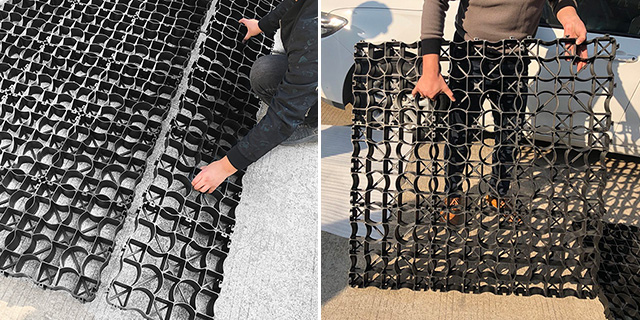
 Application Area of Paddock Slab Grid
The ground surface is elastic, sturdy and strong, non-slip.

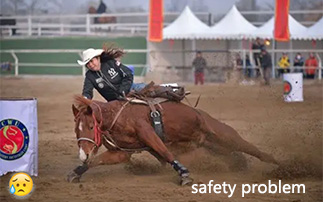
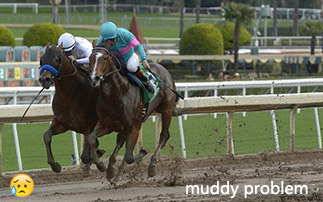
Before installation, uneven and waterlogged ground can create slippery footing and dirty hooves. A correctly installed GS Grid system helps keep the surface level, permeable and easier to maintain for horses and riders.
 Individual Features of GSGRID Horse Paddock Grids
Application Case of Equine Floor Grid System — The ground surface is elastic, sturdy and strong, non-slip.
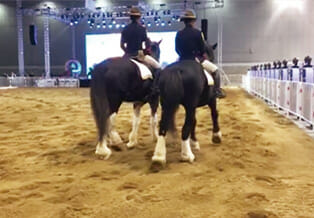
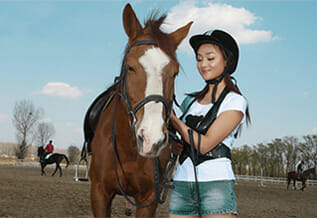
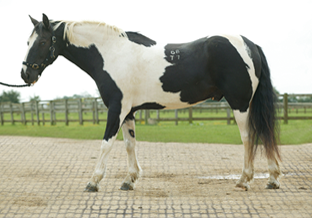
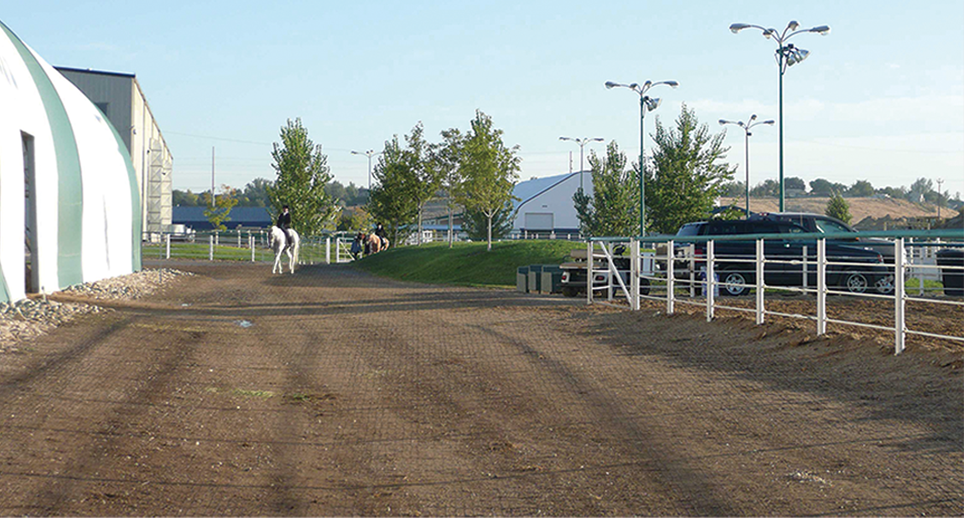
GSGRID Horse Paddock Footing Grid protect the ground surface flat solid. Once fix it with GSGRID interlocking footing system you’ll solve muddy paddocks problem permanent. It provides usable outside or inside footing whole year come rain or shine, you’ll forget muddy problem and retire for life from paddock improvement career.
Why buy horse paddock grids from us? Application Process of Equine Floor Grid System
Note: Linked direction to be consistent with paving direction.

Complete the installation with two simple steps,
one skilled worker can install 4,300 square foot per day!
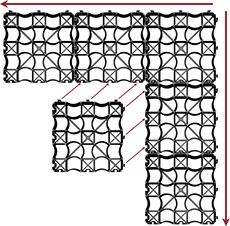
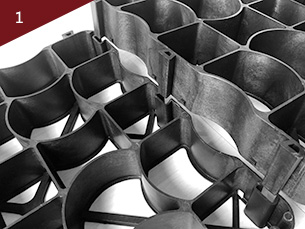
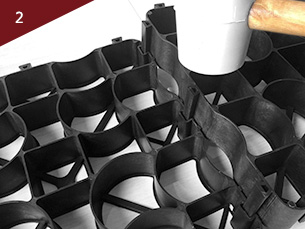
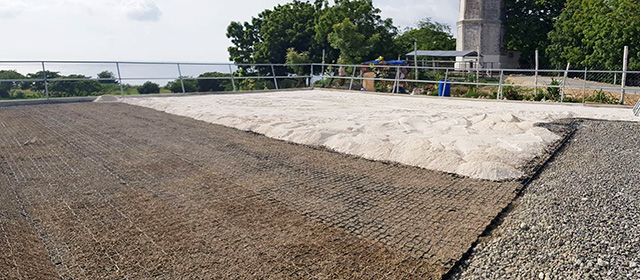
On-site installation reference: Prepared aggregate, panel placement and surface finishing should follow the approved project base, drainage and infill specification.
Project-specific options may include compacted aggregate, permeable gravel or sand infill, and a suitable geotextile separator. Confirm material grading and layer depths locally before installation.

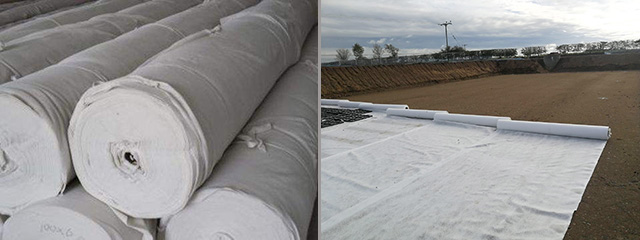
We also supply non-woven fabrics geotextile fabric for horse paddock grids.
Horse paddocks are essential areas for the exercise and well-being of equines. However, managing mud in these spaces is a constant challenge, particularly during wet seasons. Mud not only poses health risks to horses, such as thrush and other hoof-related issues, but also makes the paddock environment unpleasant and difficult to maintain. Horse Paddock Mud Control Grids provide an innovative and sustainable solution to this problem, enhancing the quality of life for horses and simplifying maintenance for owners.
Horse Paddock Mud Control Grids are specially designed interlocking grids that are installed over paddock surfaces. Made from high-density polyethylene (HDPE) or other durable materials, these grids provide a stable, permeable surface that allows water to drain through while preventing mud formation. The grids are typically filled with sand, gravel, or other permeable materials to further enhance their functionality.
Installing Horse Paddock Mud Control Grids involves several steps:
Maintenance of these grids is minimal, usually involving periodic checks to ensure they remain properly filled and free from debris.
Important: Grid panels stabilize and confine the surface layer; they do not correct unsuitable soil, inadequate falls or blocked drainage by themselves. Ask a qualified local contractor or engineer to confirm the site-specific design.
Related Articles About Horse Paddock Mud Control GridsQuick project answers
Paddock grids reinforce high-use equestrian ground by confining fill and spreading loads. A suitable base and drainage design can help reduce rutting, mud and surface displacement around gates, tracks and exercise areas.
Typical locations include gateways, feeding areas, tracks, stable approaches, turnout areas and other places exposed to repeated hoof traffic and wet ground.
No. The grid reinforces the surface, but site falls, outlets, subgrade, base material and drainage paths must also be suitable for local soil and rainfall conditions.
Provide the area, current ground condition, intended use, expected traffic, proposed build-up, preferred infill and delivery destination.
We'd love to hear from you. Please fill out the form below.
Enter a product, application or technical topic.